
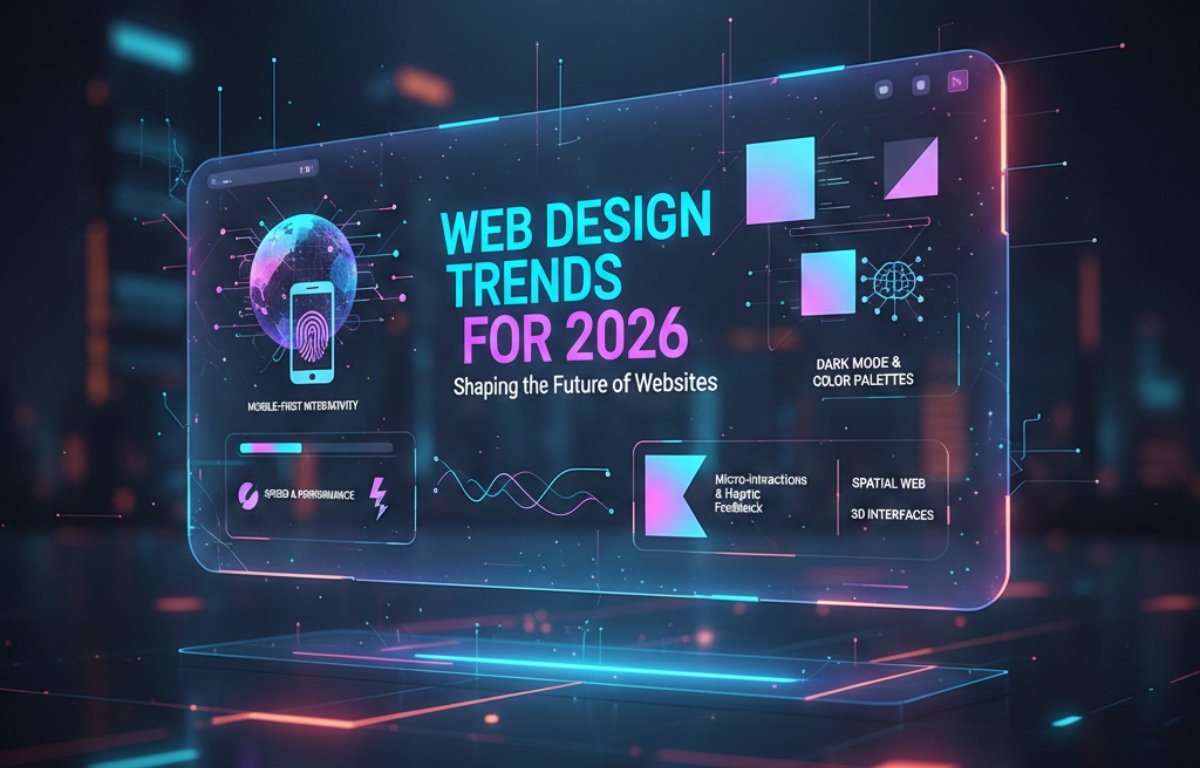
∙ Web design in 2026 focuses on user experience, performance, and personalization ∙ Emerging technologies are redefining how users interact with websites ∙ Visual simplicity combined with intelligent functionality is becoming dominant ∙ Accessibility, sustainability, and inclusivity are no longer optional
∙ Modern web design trends directly impact SEO, engagement, and conversions
1. AI-Powered Personalization in Web Design
One of the most influential web design trends for 2026 is AI-powered personalization. Websites are no longer static platforms offering the same experience to every visitor. Artificial intelligence enables websites to adapt content, layout, and recommendations based on user behavior, preferences, and location.
AI-driven personalization improves user engagement by showing relevant content at the right time. For example, eCommerce websites can display personalized product recommendations, while content-based platforms can tailor articles to user interests. This level of customization enhances user satisfaction and increases conversion rates.
From an SEO perspective, personalized user experiences lead to longer session durations and lower bounce rates, signaling quality to search engines. In 2026, websites that leverage AI personalization effectively will gain a competitive edge by delivering meaningful and dynamic experiences.
2. Minimalist Design with Purposeful Interactions
Minimalism continues to evolve as a major web design trend in 2026. However, modern minimalism is no longer just about fewer elements; it is about purposeful design choices that enhance usability. Clean layouts, ample white space, and focused content help users navigate websites effortlessly.
Purposeful interactions such as subtle hover effects, smooth transitions, and micro interactions guide users without overwhelming them. These interactions provide visual feedback and improve usability while maintaining a clean aesthetic.
Minimalist web design also improves website performance by reducing unnecessary elements and heavy assets. Faster loading times, better readability, and improved accessibility make
minimalist design an effective approach for modern websites focused on user experience and SEO.
3. Advanced Micro-Interactions and Animations
Micro-interactions are becoming more sophisticated in 2026. These small animations respond to user actions such as clicking buttons, scrolling pages, or submitting forms. When used correctly, micro-interactions enhance engagement and make websites feel more intuitive and responsive.
In 2026, web designers are focusing on natural and meaningful animations rather than flashy effects. Smooth transitions, progress indicators, and interactive icons improve usability without slowing down performance. These subtle design elements guide users and provide instant feedback, creating a seamless browsing experience.
Micro-interactions also help communicate brand personality and professionalism. When combined with performance optimization, animations can enhance user experience while maintaining fast load speeds and SEO efficiency.
4. Dark Mode and Adaptive Color Schemes
Dark mode remains a strong web design trend for 2026, but it is evolving into adaptive color schemes. Websites are increasingly offering light, dark, and custom themes that automatically adjust based on system preferences or user choice.
Adaptive color schemes reduce eye strain, improve readability, and enhance accessibility. Dark mode is especially popular for content-heavy websites, dashboards, and applications used for extended periods. Designers are focusing on contrast, typography, and accessibility to ensure dark mode designs remain clear and usable.
From a branding perspective, adaptive themes allow greater flexibility while maintaining consistency. Providing users with control over visual preferences improves satisfaction and engagement, making adaptive color schemes a valuable trend in modern web design.
5. Voice User Interface (VUI) Integration
Voice user interfaces are becoming more prominent in web design for 2026. With the growing use of voice assistants and smart devices, websites are starting to support voice based interactions. Voice search optimization and voice navigation improve accessibility and convenience.
Voice-enabled websites allow users to search content, navigate pages, or perform actions using spoken commands. This trend is particularly beneficial for users with disabilities and those using hands-free devices. Integrating VUI enhances inclusivity and aligns with evolving user behavior.
Optimizing websites for voice search also supports SEO by focusing on conversational keywords and natural language queries. As voice technology advances, VUI integration will play a significant role in shaping web experiences.
6. Accessibility-First Web Design
Accessibility-first design is no longer a trend but a necessity in 2026. Websites are being designed to accommodate users with diverse abilities, ensuring equal access to information and services. Accessibility improves usability for everyone, not just users with disabilities.
Key accessibility features include proper color contrast, keyboard navigation, descriptive alt text, readable typography, and screen reader compatibility. Designers are adopting accessibility standards early in the design process rather than treating them as afterthoughts.
Accessible web design also supports SEO, as search engines favor well-structured, user friendly websites. In 2026, accessibility-first design reflects ethical responsibility and enhances brand reputation.
7. Sustainable and Eco-Friendly Web Design
Sustainability is emerging as an important web design trend for 2026. Eco-friendly web design focuses on reducing digital carbon footprints by optimizing performance and minimizing resource usage. Lightweight designs, optimized images, and efficient coding contribute to lower energy consumption.
Sustainable web design also includes responsible hosting choices, such as green hosting providers that use renewable energy. Reducing page size and improving load speed not only benefits the environment but also enhances user experience and SEO.
As environmental awareness grows, brands adopting sustainable web practices demonstrate social responsibility and attract eco-conscious users.
8. Immersive Scrolling and Storytelling Layouts
Immersive scrolling experiences are becoming more popular in 2026. Websites are using storytelling layouts that guide users through content in a narrative format. Vertical scrolling combined with animations, visuals, and interactive elements creates engaging experiences.
This design approach is particularly effective for brand storytelling, portfolios, and product showcases. Immersive scrolling keeps users engaged longer and encourages exploration. However, designers are balancing creativity with performance to avoid slow loading times.
When implemented correctly, immersive storytelling enhances emotional connection and supports higher engagement metrics, positively impacting SEO and conversions.
9. Component-Based and Modular Design Systems
Component-based design systems are shaping web design workflows in 2026. Modular design allows designers and developers to reuse components across pages, ensuring consistency and scalability. This approach improves efficiency and reduces development time.
Design systems provide standardized typography, colors, buttons, and layouts, creating a cohesive user experience. Component-based design also supports responsive and accessible design practices.
From a business perspective, modular design systems simplify maintenance and updates, making websites future-ready and adaptable to growth.
10. Enhanced Performance and Core Web Vitals Optimization
Performance optimization remains a top web design trend for 2026. With search engines emphasizing Core Web Vitals, designers are prioritizing speed, interactivity, and visual stability. Performance-focused design improves user satisfaction and search rankings.
Optimizing images, reducing third-party scripts, and improving layout stability are essential practices. Designers are collaborating closely with developers to ensure design choices do not compromise performance.
Fast and stable websites create positive first impressions and encourage users to stay longer. Performance-driven design is critical for SEO success and overall website effectiveness.
11. Integration of Augmented Reality (AR) Elements
Augmented reality is gradually entering mainstream web design in 2026. AR features allow users to interact with products and environments in a more immersive way. For example, users can visualize products in real-world settings before making a purchase.
AR integration enhances user confidence and reduces uncertainty, especially in eCommerce and real estate websites. While AR requires careful optimization, it adds value by creating engaging and interactive experiences.
As browser support and technology improve, AR elements are expected to become more accessible and widely adopted in web design.
12. Focus on Human-Centered Design
Human-centered design is a defining web design trend for 2026. This approach prioritizes user needs, emotions, and behaviors throughout the design process. Websites are designed to feel intuitive, empathetic, and easy to use.
Human-centered design involves user research, usability testing, and continuous improvement. Designers focus on clarity, accessibility, and emotional connection rather than visual appeal alone.
By aligning design decisions with real user needs, websites achieve higher engagement, trust, and long-term success.
Conclusion
Web design trends for 2026 emphasize innovation, usability, and responsibility. AI-powered personalization, minimalist layouts, accessibility-first design, sustainable practices, and immersive experiences are shaping the future of websites. Performance optimization, adaptive themes, and emerging technologies like voice interfaces and augmented reality further enhance user engagement. By embracing these modern web design trends, businesses can create future-ready websites that deliver exceptional user experiences, improve SEO performance, and support long-term digital growth.